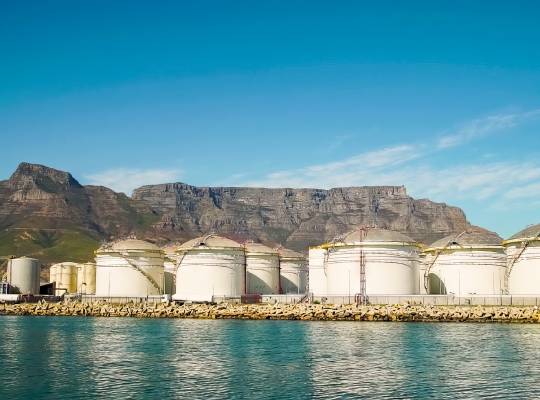
Fuel demand keeps changing as industries, transport networks, and consumers seek reliable energy at competitive prices. Refiners and distributors face rising costs, tighter environmental rules, supply disruptions, and shifting customer expectations. These pressures test operational strength at every stage, making efficiency and flexibility increasingly important for companies operating in downstream oil and gas markets today.
Rising operating costs
Refineries and fuel distributors face persistent cost pressure across daily operations. Crude feedstock prices fluctuate, while electricity, maintenance, labor, transportation, and equipment expenses add financial strain. Aging facilities can also increase repair expenses and reduce production efficiency. Companies respond by improving energy use, monitoring equipment performance, and controlling unnecessary spending. Strong cost management helps businesses protect margins while maintaining dependable fuel supplies for customers.
Stricter environmental standards
Environmental regulations place greater pressure on downstream companies to reduce emissions, control waste, and improve fuel quality. Governments introduce tighter standards for refinery emissions, sulfur content, wastewater, and industrial pollution. Companies invest in cleaner technologies, updated equipment, and stronger monitoring systems to meet these expectations. These measures support regulatory compliance while encouraging refiners to reduce resource consumption and adopt cleaner production practices.
Supply chain disruptions
Global supply networks face disruptions caused by geopolitical tensions, shipping delays, weather events, infrastructure problems, and sudden demand changes. A delay at one point can affect refinery inputs, fuel transportation, storage levels, and customer deliveries. Downstream companies respond by strengthening supplier networks, maintaining suitable inventory levels, and improving communication across logistics operations. Reliable coordination helps businesses respond faster when market conditions shift unexpectedly.
Changing customer demand
Consumer preferences keep evolving as drivers, businesses, and industrial users seek efficient and affordable energy options. Electric vehicles, hybrid technology, cleaner fuels, and alternative energy sources influence long term fuel demand. Downstream companies study consumption patterns and adjust their product strategies accordingly. Refineries and distributors that understand customer behavior can allocate resources efficiently and respond to emerging demand across different markets.
Aging infrastructure and technology
Many downstream facilities operate with aging machinery, storage systems, pipelines, and processing equipment. Older assets can increase maintenance requirements, energy consumption, and operational risks. Companies invest in modern control systems, predictive maintenance tools, automation, and equipment upgrades to improve reliability. Digital monitoring also gives operators faster insight into equipment conditions, helping them identify faults before they cause costly production interruptions.